When you steward a historic residential property, every inch of roofline brings weight. Slate programs tell a century of storms. A copper ridge whispers of craftsmen who sweated https://salvometalworks.com/ those seams by hand. The wrong air vent, blocky and brilliant with factory sheen, can damage that spell from the street. The appropriate vent, quiet and tailored to the style, does its job invisibly. That is the art of low-profile roofing system air flow, and it is one of one of the most rewarding challenges in restoration.
I have actually invested years strolling high pitches prior to dawn, mapping chalk lines around dormers, lifting slates to see what the last generation concealed below. The lesson never alters: air needs to relocate, but the roofing system should read as a solitary make-up. Whether you are reviving a 2nd Realm mansard or preserving a Colonial Rebirth hip, the air flow approach have to serve the building first. Supply plastic vents and noisy wind turbines rarely do. Custom Roof covering Vents, made to the roofing system's geometry and the home's style, allow you meet code, secure the assembly, and maintain the shape pristine.
What "low profile" actually indicates on a historic roof
Low profile is not just a dimension. It is a promise that the venting solution will not attract the eye or damage a roof covering's rhythm. Elevation matters, yes, yet so do sightlines, color, sheen, texture, and bolt technique. On a 9/12 slate, an air vent that stands 1 inch pleased with the surface area can check out as a darkness line, while the exact same piece on a low-slope terne-coated steel can go away totally with the appropriate aging. I treat low account as a formula of five variables: roof pitch, cladding density, sight range, sunlight angle, and the architectural language of the house.
On a Georgian with an in proportion facade, for example, anything puncturing the front roofing plane is suspect. Vents, plumbing heaps, and even snow guards need to be made up so the front altitude continues to be dignified from the road. On the other hand, a Tile Style home often invites more informality and can conceal intake along deep eaves and exhaust under ridge ornaments. Historic stability is context, not dogma.
The surprise job: why air flow issues in old assemblies
Purists occasionally argue that historic roof coverings never ever had contemporary passive air flow and survived simply fine. What they neglect is just how the structures functioned. Original houses dripped air, even with horsehair plaster and balloon framing. Heat wandered right into attics, dissolved snow, and dried out settings up by crash as long as layout. After a century of tightened windows, spray foam in knee walls, and induction heat, the moisture characteristics change. Without a regulated path for intake and exhaust, condensation climbs the sheathing and paint swirls on the soffit. Ice forms along eaves, compeling water backwards under slate or cedar.
Modern codes commonly request internet complimentary air flow location around 1/150 of the attic room location, though 1/300 is accepted when balanced and paired with a vapor obstacle. Numbers are starting factors. In practice, I evaluate rafter bays, frustrates above insulation, chases that steal air flow, and whether the roof offers itself to a continuous ridge air vent or needs very discreet factor vents. On gambrels with attic room spaces, separate areas can require independent exhaust. The objective is to move just sufficient air to purge dampness and moderate temperature swings, without producing wind whistles or visual clutter.
How to make vents go away without compromising performance
Achieving both invisibility and throughput requires manufacture that replies to the particular roof covering, not generic SKUs. I lean toward formed steel housings with indispensable flashings, soldered seams, and screens sized for the usual bugs in the area. Stainless and copper last longest, but prefinished light weight aluminum in deep, low-gloss shades can vanish on repainted standing seam or synthetic slate. The trick is to keep the air vent body listed below the elevation of the surrounding programs while developing a weatherhead that drops wind-driven rain and enables full internet free area. That is fragile geometry.
Here is the series I follow on many historical projects when an inconspicuous remedy is on the table:
- Establish the airflow target by zone, validate baffles over insulation, and map possible intake. Study sightlines from public techniques and crucial areas; mark no-visibility areas on the plan. Choose the vent type that matches the cladding system, after that shade and sheen-match. Create a mockup that sits in the roofing system, out it; validate drain and screen protection. Install with regulated fastener positioning, hid where possible, and integrate into the coursing.
That checklist looks simple, but the subtlety resides in side cases. On hand-split cedar, as an example, rugged texture can catch debris, so the vent face requires a sharper break line and heavier screen gauge than it would on slate. On an old lead-coated copper roof, you may like firm copper vents pre-tinned or terne-coated, so aging lines mix after one season.
Materials, metals, and the aging conversation
Choosing metal is usually a conversation about life expectancy expectations and exactly how the roof covering will certainly mature. Copper remains my default for slate and clay tile since it lasts generations, takes solder elegantly, and patinates right into darkness instead of sparkle. On southerly exposures with solid glow, I often brush the copper with a moderate acid to knock the luster early, then allow weather finish the task. Stainless resists corrosion near saltwater and functions well when you desire a painted surface that stays faithful gradually. Aluminum maintains weight down on delicate frameworks, yet fastener choices are critical and galvanic isolation is nonnegotiable.
Sheen matters more than color. A vent repainted the specific shade of the roof covering however with a crisp, shiny coating will review as a spot. I favor low-gloss powders or hand-applied coverings that breathe and soften in the sun. When matching slate, a muddied charcoal that leans tepid typically vanishes much better than deep black, which can telegram as an opening in brilliant lunchtime light. If a customer loves the sincerity of visible metal, I will occasionally resemble that with Custom Finials or a fragile cresting, allowing deliberate ornament take in any attention so the vents fall back into anonymity.
The ballet with other roof elements
The air vent method can never be made a decision alone. Custom-made Dormers, customized cupolas, and ridge details regulate just how and where air can exit. A restrained dormer counts as both a building expression and an airing vent possibility if you agree to information louver backs with baffles to maintain water out. I have hidden powerful exhaust behind copper dormer louvers on Tudor homes where a ridge air vent would have split the stone gables aesthetically. On carriage houses, a tiny custom-made cupola can function as the attic's lungs, drawing air up through constant intake at the eaves while reading as period-correct architecture.
Chimneys remain the grand verticals on historical roofing systems. When we produce Customized Chimney Shrouds, we obtain the language of the house: basic, certain, no unnecessary fluting on a Federal, possibly a fragile band on a Queen Anne. The shroud's scale can mask neighboring low-profile vents, especially when completed in the exact same metal family members. Leader heads, too, matter. Well-proportioned Customized Leader Boxes at the eaves self-control the viewer's eye, supplying spelling so practical components enter into a meaningful score instead of random notes.
And after that, snow. In northern climates, Customized Snow Guards are not optional. Put them carelessly and you develop micro-dams around any vent, welcoming leakages. I startle guards to keep snow slugs from tearing past vents, constantly leaving courses for meltwater to discover the gutter. Copper pad-style guards are courteous on slate, while cast bronze stands pleased on much heavier floor tile. These are little decisions with lengthy consequences.
Matching vent types to cladding types
Each roof product desires a various strategy. Regard that, and the vent disappears.
Slate desires precision and patience. I prefer to set the air vent body within the slate plane, supported by a pan that extends at the very least 8 inches upslope and 6 inches to each side under headlaps. The face elevation need be no more than the thickness of two slates plus a breath. Screens unwind from the opening so they never ever flash in sunlight. If we are using pre-holed slates, I stay clear of noticeable cut edges by tucking any type of field cuts under adjacent programs, maintaining the coursing unbroken.
Cedar shakes endure somewhat taller air vent faces because the roof currently carries appearance and alleviation. With cedar, I keep the vent's exterior profile in the exact same shadow household as the thicker butt ends. The vent cap gets a micro-drip return so wet snow peels off away. Painted stainless stands up under tannins that hemorrhage from fresh cedar.
Tile, whether clay or concrete, intensifies any type of inequality. Vents sculpted to the floor tile profile, rib for rib, will vanish, but you must leave sufficient throat area to satisfy air movement targets. I such as to conceal exhaust underneath ridge tile with an under-ridge air vent channel produced in copper, vented out through very discreet louver slots grated into the ridge piece or a purpose-made vented ridge tile. Where field vents are needed, each item is cast or formed to nest with the adjacent ceramic tiles, with weeps reduced at the seat.
Metal roofing systems can accept indispensable air vent accounts. On standing seam, I commonly define aired vent Z-closures at the ridge, backed with stainless mesh and an inconspicuous cap that aesthetically checks out as a common ridge cover. If the roof covering is a historical batten seam, specific exhaust boxes set right into pan bays, with joints soldered into the frying pan, job perfectly when maintained 2 pans below the ridge to stay clear of presence. Paint is the buddy right here: match the roof panel coating and maintain the appearance consistent.
Synthetic slates and compounds deserve their very own note. Their surface is frequently as well excellent, so the best way to conceal a vent is to mess up and vary the reflectivity a touch, so the new piece does not drift like a brand-new roof shingles in a sea of slightly weather-beaten courses. Even a subtle rinse with a watered down oxalic service can balance coatings. Constantly examination on scrap.
When a ridge air vent is right, and when it is not
Continuous ridge air flow is sophisticated theoretically and occasionally on a roof. It provides also wear down throughout the attic, reduces localized locations, and stays clear of infiltrations on the area. The Achilles' heel is presence. Many ridge vents depend on elevated plastic cores or textile aspects that telegram under slate or shake. I favor custom-fabricated metal ridge vents that sit underneath a lifted ridge training course, their openings hidden in shadow. On in proportion homes with pronounced ridges, that option can be perfect.
There are situations where ridge air flow need to be prevented. Parapeted roof coverings with marginal ridge length press you toward point vents or cupolas. Historical ridges with formed cresting or slate combs do not want interruption. On mansards, the top hip frequently is too narrow for appropriate ridge air vent cross section. In these instances, a collection of low-profile vents established just listed below the ridge line, shielded by the perspective of the incline, fulfill the requirement with less visual impact.
A tale of two projects
A brick Italianate with a 12/12 slate roofing system concerned us with water identifying in the second-floor hall and a winter ice dam that turned the south eave into a cornice of anxiety. The owner wanted nothing visible from the street. Intake was very easy, covert behind a deep cornice soffit. The attic room floor had been insulated years previously without baffles, so we set up slim baffles in each bay, after that reduced in 8 low-profile vents on the back airplane, each giving 50 square inches of internet cost-free area. The real estates were copper, lives set to match 3/16-inch slate headlaps. We burnished the copper to mute it and positioned Custom-made Snow Guards over each vent in a stagger that drew the sliding sheets into little, manageable falls. The ice dams went away. From the alley, you can find the vents if you recognize where to look; from the road, absolutely nothing damages the cornice's discipline.
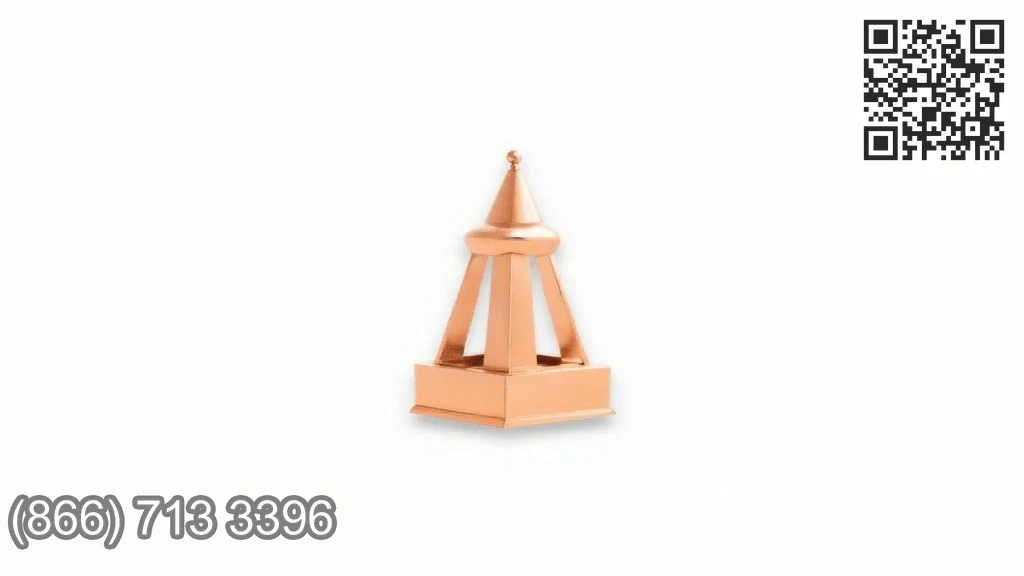
On a seaside Arts and Crafts home with cedar drinks, the clients enjoyed the concept of a cupola however feared kitsch. We mapped out a portable customized cupola proportioned to the ridge and resembled the bracket language of the deck. Louvers hid a high-capacity exhaust plenum. The remainder of the roof covering required only constant soffit intake and limited air sealing at the attic hatch. We selected prefinished stainless louvers in a salt-tolerant covering, toned to match the shake tarnish. That cupola reviews as initial, because it complies with your house, not the catalog.
Fabrication matters more than marketing
The market contains ventilators that assure high net cost-free location and clever baffles. Some function well on modern residences where the roofing is just a plane. On a historic roofing, tolerances are tighter, and assembly approaches carry memory. I respect 3 points beyond air movement: just how the air vent joins the cladding, how it drains, and just how it ages. Solder beats sealer daily for long life. Mechanical joints lined up with the roof's very own joints vanish visually and relocate with the building. Displays need to be functional without abusing half the roof.
That is why I usually transform to boutique that live inside this globe. Salvo Metal Works, for example, understands the hierarchy on a roofing system. They will certainly form Custom-made Roofing system Vents and discreet under-ridge systems to the pitch, match a slate's profile, or flex a standing joint closure that vanishes. The exact same team can coordinate Custom-made Leader Boxes, Custom-made Finials, and also Personalized Smokeshaft Shrouds so steels and coatings talk with each various other. When one shop holds the vocabulary for all the visible and near-visible components, you stay clear of the patchwork impact that torments lots of renovations.
Integrating with the envelope and the interior
Ventilation works only as part of the whole. I demand reviewing the attic insulation technique and vapor control prior to cutting a solitary opening. If dense-pack cellulose fills up the rafter bays, we need appropriate baffles at the deck to keep pathways open. If spray foam touches the underside of the roofing system deck, the assembly may be unvented, and exhaust vents end up being a responsibility rather than a benefit. Kitchen areas and bathrooms add even more layers: their followers must have dedicated, sealed air ducts that exit with sidewalls or discrete housings, never ever right into the attic.
Inside your house, preserving historic plaster while updating air control needs cosmetic surgeon's hands. I love clever vapor retarders under brand-new plaster repairs in knee wall surfaces, which permit seasonal drying out without inviting mass moisture. The attic room hatch obtains a gasket and insulation cap. These silent relocations make the vents' task easier. You never ever want a vent to come to be a crutch for a leaky envelope.
Color concept and the art of not seeing
The human eye tracks comparison, edges, and rhythm. Make good friends with that reality. If a roofing system brings duplicating elements like dormers, smokeshafts, or finials, place vents in the visual peaceful between them. Color-match to the shadow, not to the highlight. A matte charcoal or weather-beaten copper reviews as lack, while an excellent shade in semi-gloss reads as addition. When we install vents near rake sides, I commonly pull them in a touch, away from difficult lines where the eye normally travels.
On complicated roofings, sample boards assist. I established a mock vent under actual sunlight at 10 a.m., 1 p.m., and 4 p.m., then stroll the property with the owner. We research from a next-door neighbor's pathway if needed. You learn how the ridge throws shadow at different times of day, just how a valley sparkles after rain, how an aging leaps or blends. This is slower than box-store purchasing. It is also the difference between a roofing system that talks and a roof that shouts.
Maintenance that maintains the undetectable, invisible
Even ideal vents need periodic care. Historical districts do not forgive rust streaks or tarnished slates. I place every job on a cadence: a fast roof covering walk each springtime and fall, plus a closer evaluation every three to five years. You inspect screens for nesting debris, validate that soldered seams remain tight, and verify that snow guards are intact. On copper, a mild rinse removes plant pollen that can blotch patina. On repainted metals, touch-up packages in the appropriate sheen avoid mismatched repairs. If a tree has begun shielding a formerly warm spot, you might require to alter consumption and exhaust, due to the fact that moss development and persistent moist modification the calculus.
When vents should not disappear
There is a place for sincerity. Some houses use feature with satisfaction. Industrial loft space conversions, barns turned to galleries, or crisp modern-day interventions inside old coverings can bring specific ventilators that declare their function. In those cases, I choose stylish, deliberately visible housings, aligned with window muntins or architectural bays, duplicating as a theme. Even then, the pieces need to belong to the building. A collection of custom-fabricated vents in burnished copper that echo a smokeshaft cap's account can be lovely and absolutely correct.
The duty of paperwork and approvals
Historic commissions respond to evidence and restraint. Bring them scaled illustrations that reveal accounts, areas through the roofing deck, and sightline studies from public means. Offer genuine material samples: a slate with the vent face established against it, a piece of copper with accelerated patina, a powder-coated panel in sunlight. Discuss air movement targets and why the suggested places attain balance without disruption. I have actually won approvals that appeared unlikely merely by confirming that the venting is important, not an informal second thought. When you walk in with sychronisation, consisting of information for Personalized Dormers, Customized Leader Boxes, and the occasional personalized cupola where proper, customers understand your respect for the roof covering as a whole.
The silent high-end of obtaining it right
Luxury is much less concerning luxury and even more concerning doing something tough magnificently, so it feels uncomplicated. A roofing system that breathes and lasts, and still reads like the designer imagined it, is a luxury. You notice it in the way the eave line stays crisp over wintertime, the method the slate remains completely dry and tidy after tornados, the method the roofline takes the night light without disturbances. That silent indicates that genuine idea traveled from illustration to go shopping to site. Craftsmen reduced metal to roof coverings that are seldom square. Installers fastened through concealed straps, not faces. Choices concerning Customized Snow Guards and ridges and vents were made in one discussion, not five.
If your home stands in an area where every passerby is a casual doubter, or if you merely love a roof that keeps its own advise, purchase customized, low-profile air flow. Work with a producer that talks your home's language, whether that is Salvo Metal Works or an additional shop with equivalent technique. Bring your architect and roofing contractor into the exact same area early. Accept that mockups take time and money. Then go back from the pathway and appreciate a roof that goes away when it should, executes when it must, and honors the background under your care.